
Design & Printing
A Guide to Box Printing & Finishing Options
Foil stamping, embossing, spot UV, lamination — what each finish actually does and when it is worth the extra cost.
From material to closure type, here is a practical framework for matching your product to the right box.
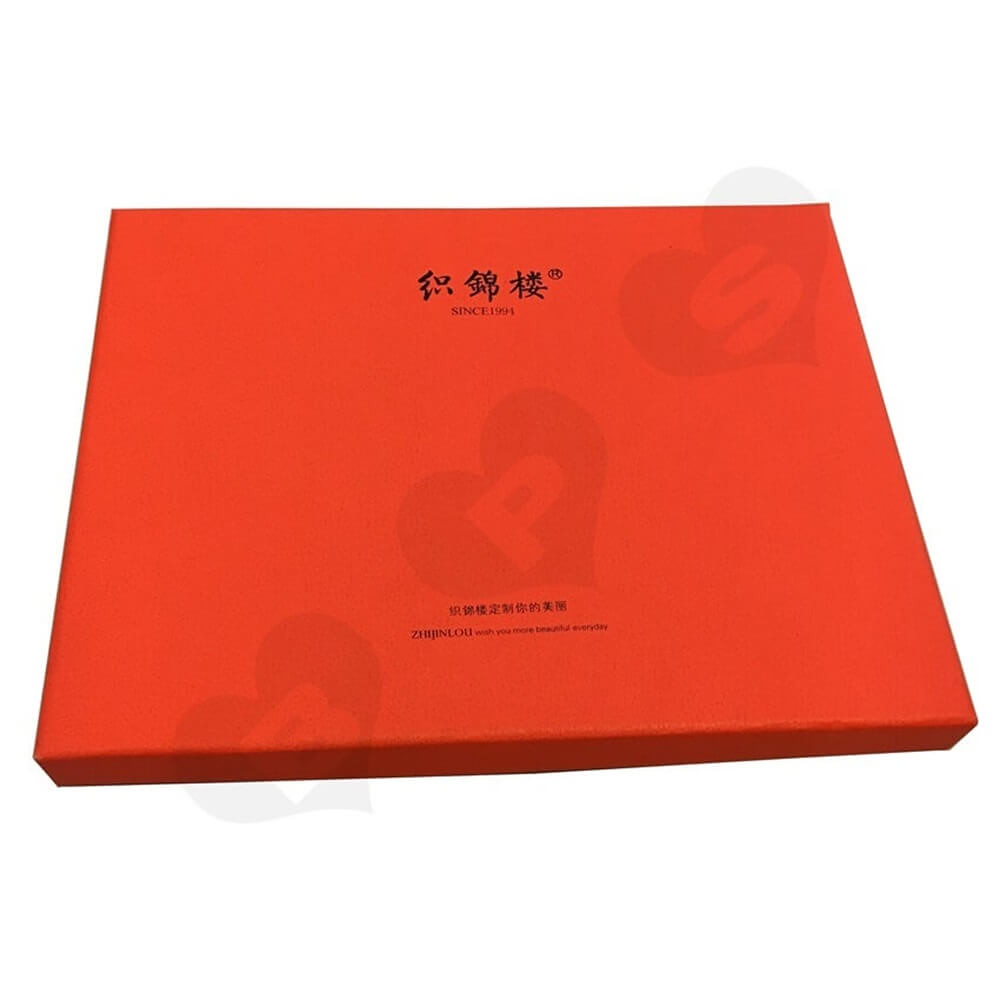
Choosing packaging is easy to underestimate — until the wrong box shows up damaged, oversized, or looking cheaper than the product inside it. Before you lock in a supplier or a die line, it helps to work through a short list of questions.
A box shipping across the country needs impact and crush resistance — that points toward corrugated board, often double-wall for heavier items. A box that only travels from a warehouse shelf to a customer’s hands (like a jewelry box or a retail gift box) can prioritize looks and structure over shipping durability, which opens the door to rigid chipboard.
If unboxing is part of your brand experience — subscription boxes, cosmetics, jewelry — a rigid box with a magnetic flap or a lid-and-base construction creates a noticeably more premium first impression than a simple tuck-end carton. If the box is discarded immediately (like a shipping mailer), spend your budget on protection instead of finish.
Material and finish choices swing per-unit cost significantly, but so does order quantity. Foil stamping or spot UV coating that feels expensive at 100 units often becomes a rounding error at 5,000. Before ruling out a finish, run the numbers at your real order size — our free quote form will estimate this instantly as you adjust quantity.
Still unsure? Get a free quote and our packaging team will recommend the right combination for your product and budget.
Tell us what you're selling and roughly how many. We'll suggest a box style and send you a quote.
Get my packaging quoteFoil stamping, embossing, spot UV, lamination — what each finish actually does and when it is worth the extra cost.
Practical, budget-realistic ways to make your packaging greener without redesigning your entire supply chain.
From minimalist mono-material design to AI-assisted personalization, here is what is changing in packaging this year.

