
Design & Printing
A Guide to Box Printing & Finishing Options
Foil stamping, embossing, spot UV, lamination — what each finish actually does and when it is worth the extra cost.
Two of the most common packaging materials solve very different problems. Here is how to tell them apart and when to use each.
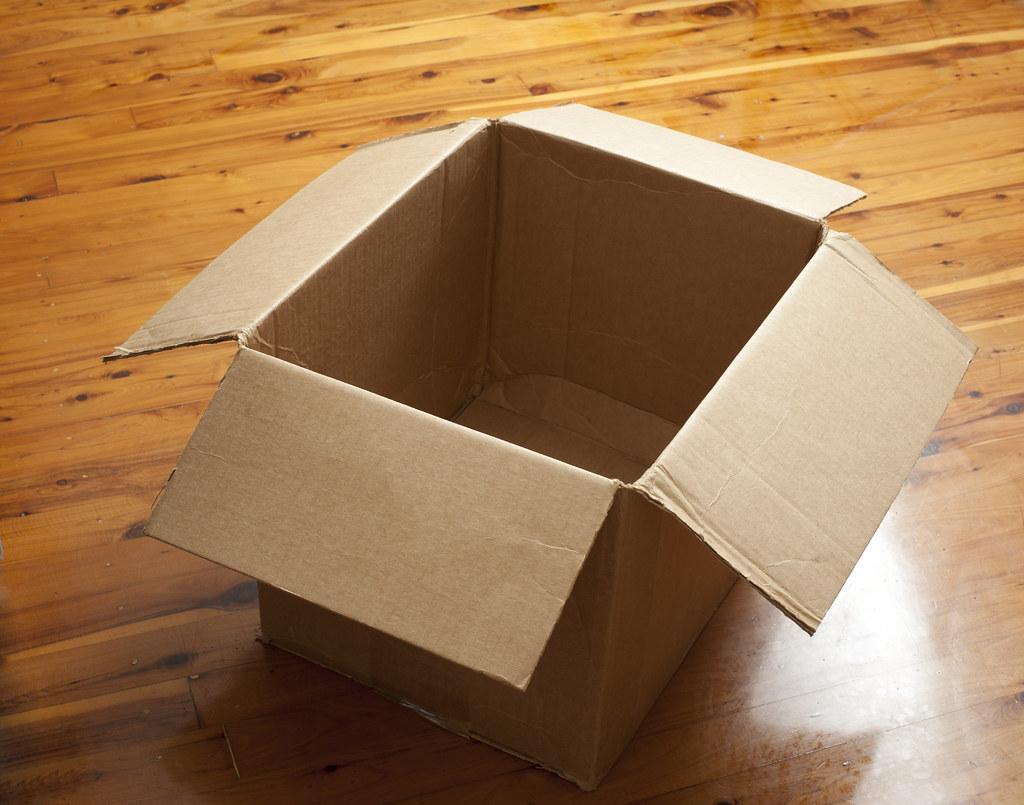
“Rigid” and “corrugated” get used almost interchangeably by first-time packaging buyers, but they describe fundamentally different board structures — and picking the wrong one usually means paying too much or protecting too little.
Rigid boxes are built from thick, dense paperboard (chipboard) wrapped in a printed or specialty paper. They don’t fold flat and hold their shape permanently, which is exactly why they feel premium in hand — think jewelry boxes, phone boxes, and luxury gift sets. They’re not designed for heavy shipping loads; they’re designed to be seen and held.
Corrugated board is made of a fluted inner layer sandwiched between two flat liners, which is what gives shipping boxes their strength-to-weight ratio. It ships flat, assembles quickly, and comes in single-wall (standard e-commerce shipping) or double-wall (heavier or fragile goods) constructions.
| Factor | Rigid | Corrugated |
|---|---|---|
| Feels premium | Yes | No |
| Ships flat | No | Yes |
| Best for shipping impact | No | Yes |
| Typical use | Retail, gifting | E-commerce shipping |
Many brands actually use both: a rigid box for the product presentation, shipped inside a corrugated mailer for transit protection. If you’re not sure which one (or both) your product needs, request a free quote and describe your use case — we’ll point you in the right direction.
Tell us what you're selling and roughly how many. We'll suggest a box style and send you a quote.
Get my packaging quoteFoil stamping, embossing, spot UV, lamination — what each finish actually does and when it is worth the extra cost.
Practical, budget-realistic ways to make your packaging greener without redesigning your entire supply chain.
From minimalist mono-material design to AI-assisted personalization, here is what is changing in packaging this year.

